
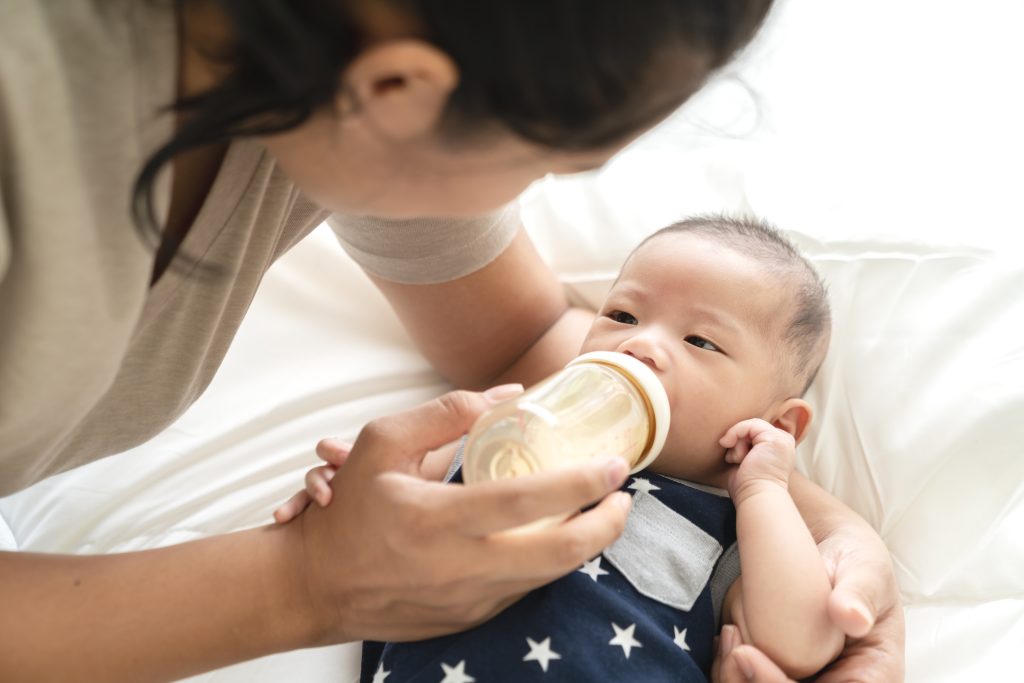
Many new parents appreciate an extra pair of hands at home so they can focus on recovery and caring for their newborn. A foreign domestic helper (FDW) can support the daily essentials while you adjust to life with a baby.
If you’re hiring through an FDW transfer (someone already in Singapore), you may be able to start sooner—but the first two weeks still need clear, hands-on guidance. Every household runs differently, and newborn care comes with strict hygiene and safety routines.
In this guide, we’ll cover what to expect in the early postpartum period, how to prepare your home, and what to train your FDW on in the first 14 days—so things feel more organised and less overwhelming.
Key Takeaways
- Support postpartum recovery: The first two weeks are a key healing period. Minimising heavy chores helps many mothers rest and recover while your helper covers essentials like meals and laundry.
- Prepare the living space: Adjust your home setup for both a newborn and a live-in helper, so routines and responsibilities are clear.
- Set clear hygiene rules from day one: Newborns have developing immune systems. Train your helper on handwashing, cleaning routines, and safe handling of baby items before caregiving begins.
- Plan recovery-friendly meals: Nutrition supports healing and energy levels. Share dietary preferences (including any post-delivery guidance) and follow your doctor’s advice where applicable.
- Use a simple daily schedule: A basic routine reduces confusion and helps your helper provide consistent support while you focus on recovery and baby care.
Important: New MOM Requirements for 2025
Before diving into training, note that from 1 September 2025, MOM requires all MDWs working with children under 7 who aren’t fully vaccinated against measles to have measles immunity. You’ll need to declare this during Work Permit application or renewal. Coordinate with your agency early to arrange vaccination if needed—the MMR vaccine requires two doses 28 days apart, so factor this timeline into your transfer planning.
What Happens in the First 2 Weeks Postpartum
The first two weeks postpartum bring major physical and emotional changes. As the body is healing from pregnancy and birth, it’s normal to feel sore, tired, and a little overwhelmed.
Here are a few common changes you may notice in the first 14 days:
- The Uterus Shrinks – Right after birth, the uterus starts a natural process called uterine involution , where it gradually returns to its pre-pregnancy size. This can cause cramping—sometimes similar to strong period cramps—especially in the first few days.
- Increased Anxiety and Mood Swings – Many new mothers experience emotional ups and downs in the early postpartum period (often called the “baby blues”). Hormonal changes, sleep deprivation, and the pressure of caring for a newborn can lead to tearfulness, irritability, or anxiety.
- “Mom brain” or mental fog – You might misplace things, forget small tasks, or feel mentally foggy (also known as “mom brain“). Many parents notice this in the early weeks, often alongside interrupted sleep and the mental load of caring for a newborn.
Because energy and emotions can fluctuate in the first two weeks, it helps to keep routines simple and delegate predictable household tasks—so you can focus on recovery and newborn care.
Before Your FDW Starts: Home & Supplies to Set Up (Week 1 Checklist)
If you’re preparing for both a newborn and an FDW transfer, a few simple home arrangements can make the first two weeks smoother—especially when sleep and recovery are limited. Once these basics are ready, training will be faster, and routines will feel more consistent.
1. Rearranged Sleeping And Living Quarters
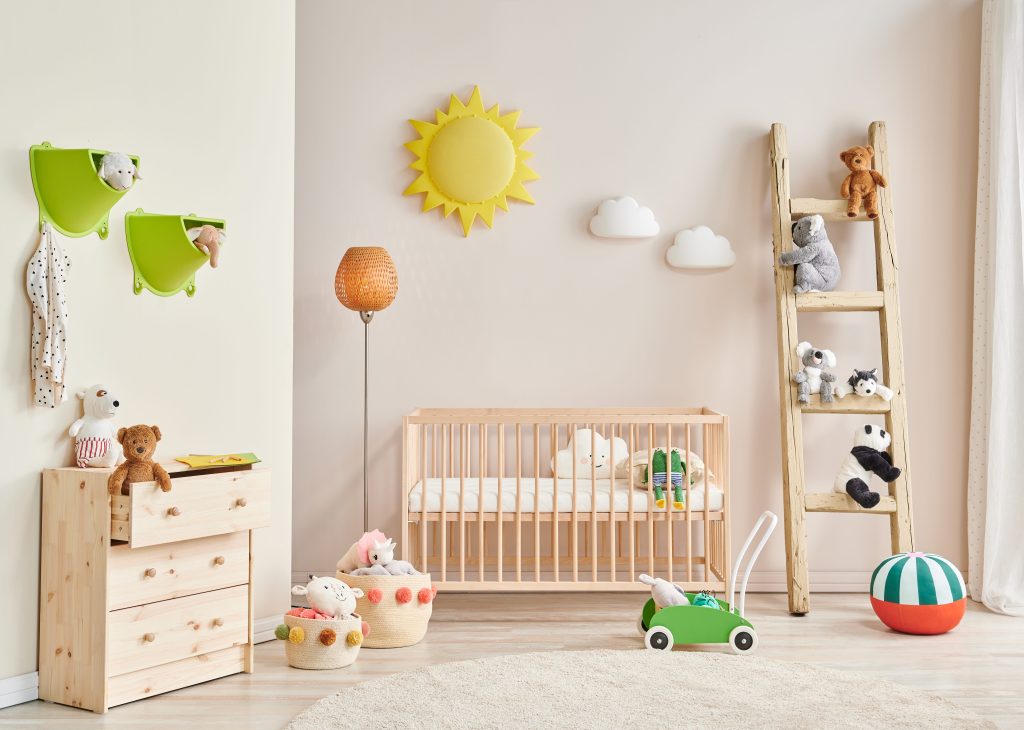
Your home setup may need small adjustments once the baby and helper are living under the same roof.
Nursing Room Layout (Mother And Baby)
Set up the main rest area so essentials are close by. Ideally, include:
- A safe, designated sleep space for the newborn (crib or bassinet, cleared of loose items)
- A diapering station (diapers, wipes, changing mat, disposal bin)
- A feeding corner (pillow, water bottle, burp cloths, small table)
Try to keep these within easy reach of each other so nighttime care feels less tiring. For comfort, ensure good airflow and (where possible) gentle natural light. If you plan any outdoor time or sunlight exposure, follow your paediatrician’s guidance.
Helper’s Rest Area (Fdw)
Make sure your helper has a private, comfortable space to rest. Provide:
- A clean sleeping area
- Storage for personal belongings
- Good ventilation and comfortable room temperature
A simple rule: set up a space you’d be comfortable sleeping in—rest affects alertness and consistency.
2. Baby Essentials
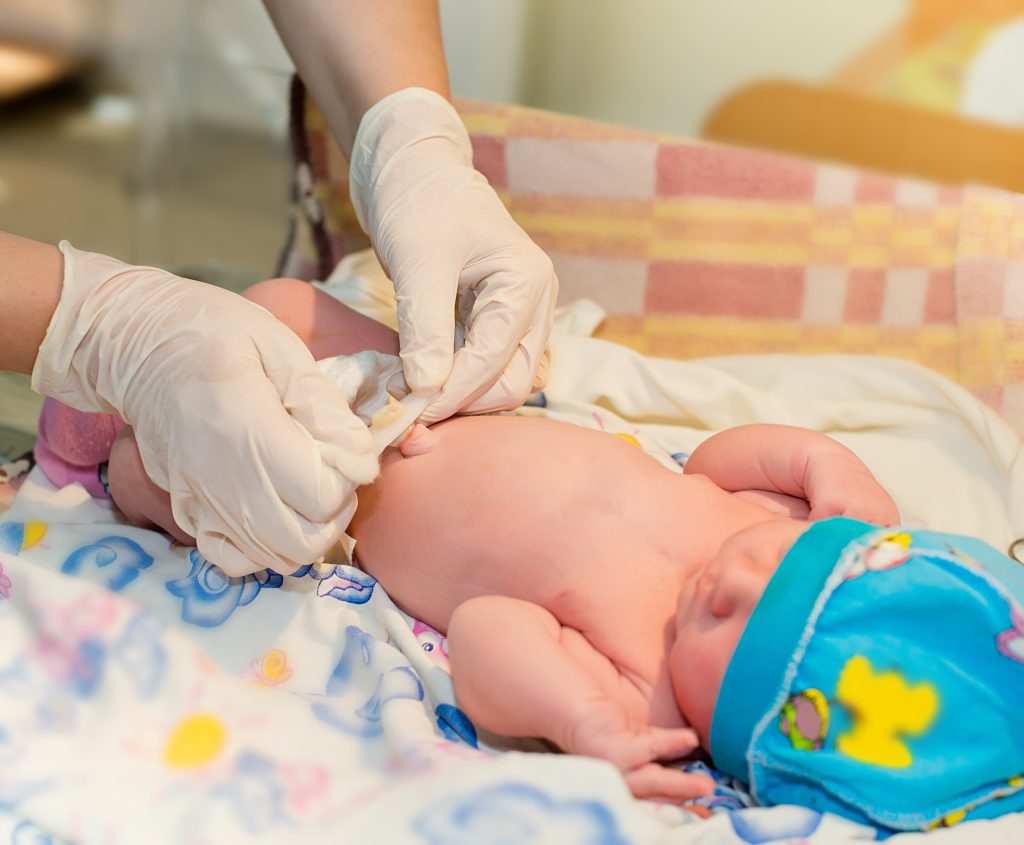
Stock up early to reduce last-minute errands in the first week.
Clothing & Linens
- 10–15 onesies (newborn size)
- Mittens and booties
- Soft swaddles
- Burp cloths and bibs (helpful even in week one)
- A few fitted sheets for the baby’s sleep space
Diapering
- Several packs of newborn diapers
- Baby-safe wet wipes
- Nappy rash cream
- Disposable bags or a covered bin for used diapers (optional but useful)
Grooming
- Soft baby hairbrush
- Baby nail clippers or nail file
3. Feeding Necessities
Whether you’re breastfeeding, formula-feeding, or doing a mix, prepare the basics you’ll use daily:
- Sterilisation: a steam or UV steriliser (or any other method you prefer) for bottles and pump parts
- Bottles: around 3–5 bottles if bottle-feeding
- Breastfeeding supplies: breast pump (if using), milk storage bags/containers, and nipple cream
- Formula (if applicable): a supply of the brand you plan to use
Newborn feeding patterns vary, but some babies feed frequently—sometimes as often as every 2–3 hours, including overnight. Follow your paediatrician’s advice if your baby has specific needs.
Training tip: Show your helper where items are stored and walk through your routine—especially sterilising, bottle prep, and cleanup—so tasks stay consistent and hygienic.
Checklist: What Should FDW Be Trained On During the First Two Weeks
A transfer FDW may have worked in Singapore before, but every household has different routines and expectations. It’s also important to note that an FDW isn’t the same as a professional confinement nanny—so it helps to provide clear, step-by-step instructions based on your home setup and preferences.
In the first two weeks, prioritise hygiene and consistent routines first, then expand into meals, laundry, and household systems.
1. Hygiene
A newborn’s immune system is still developing, so hygiene rules matter from day one.
Train your helper to:
- Wash hands with soap before handling the baby or baby items (bottles, pacifiers, pump parts).
- Wash hands again after cooking, cleaning, using the toilet, handling rubbish, or returning from outside.
- Keep nails short and clean, and avoid strong perfumes when assisting with baby care (if applicable).
- Follow your household’s approach to masks when unwell, and inform you early if they feel sick.
If your FDW is helping with diaper changes, show the exact routine you prefer:
- Change diapers when soiled, and follow your preferred routine for wet diapers (e.g., before/after feeds or at regular intervals).
- Clean gently and thoroughly. For baby girls, wipe front to back to reduce the risk of infection.
- Dispose of diapers properly and wash hands after.
Training tip: Don’t assume prior experience—demonstrate once and keep written steps simple.
2. Laundry

Babies have sensitive skin, and some can react to harsh detergents, strong fragrances, or fabric softeners.
Train your helper to:
- Wash baby clothes and linens separately from the rest of the household laundry where possible.
- Use a baby-safe, fragrance-free detergent (and avoid fabric softeners unless you’ve confirmed they’re suitable).
- Rinse thoroughly and dry fully to prevent damp smells or skin irritation.
- Fold and store baby items separately so they stay clean and easy to find.
Training tip: Show your helper where baby items are stored so they can keep loads and storage organised from the start.
3. Meal Prepping
The mother’s nutrition supports recovery and energy levels. Many recovery-friendly meal plans emphasise protein, iron-rich foods, and vitamin C to support healing.
To guide your helper:
- If you follow a confinement diet, provide a simple meal plan, preferred recipes, and a clear list of foods to prioritise (and avoid).
- If ginger-based drinks are part of your routine, demonstrate how you like them prepared. If there are medical concerns, follow your doctor’s advice.
If the mother had a C-section, recovery may come with additional considerations. Many mothers find it helpful to prioritise:
- High-fibre foods and plenty of fluids to reduce constipation
- Warm, easy-to-digest, nutrient-dense meals
Some people feel more uncomfortable with foods that increase bloating (e.g., certain beans or cruciferous vegetables). Rather than using a fixed “ban list,” monitor how the mother feels and adjust based on comfort and medical advice.
It can also help to limit very sugary or heavily processed foods and prioritise balanced meals when possible. If quick meals are needed, keep a few healthier “fast options” on hand (e.g., soup, oats, eggs, fruit, yoghurt—based on your diet preferences).
4. The Daily Schedule
The first two weeks can feel unpredictable. A simple daily routine helps both parents and the FDW stay aligned on priorities and reduce last-minute decisions.
To build a basic routine:
- Anchor the schedule around feeding, diaper changes, rest, and essential household tasks.
- Use predictable “reset points” (e.g., morning reset → meal prep window → laundry/cleaning window → evening reset).
- When the baby is asleep, the helper can do quiet chores or take a short rest, rather than noisy tasks (e.g., vacuuming).
- Keep it flexible—newborn routines change quickly, and a schedule should support the helper, not overwhelm her.
5. Emergency Protocols
Both mother and baby are still in a sensitive recovery period. Your helper should know exactly what to do if something feels “not right.”
Provide a clearly written list of emergency contacts, including:
- Local emergency services
- Baby’s paediatrician/clinic
- Mother’s obstetrician
- A trusted family member, friend, or neighbour (if applicable)
- Any other person who can help quickly
Also explain which situations require urgent action. For example, if the baby shows signs of serious distress (such as difficulty breathing or fever), your helper should alert you immediately and follow your instructions. Seek urgent medical care if advised by your doctor/paediatrician.
A short, clear protocol (who to call, where to go, what to bring) helps everyone respond calmly and quickly.
Training tip: Keep the emergency contact list on the fridge and saved on both parents’ phones.
6. Usage of cleaning materials and solutions around the baby

Some household cleaners are harsh in enclosed rooms, and fumes can linger. Clean in ways that minimise a newborn’s exposure.
Train your helper to follow these practices:
- Avoid strong-smelling aerosols in the nursery and baby areas where possible.
- Use mild, baby-safe cleaners for routine cleaning, and disinfect only when needed.
- Keep the baby out of the room while cleaning and allow time for surfaces to dry.
- Ventilate well (open windows/turn on a fan where safe) and always follow product label instructions.
- Store cleaning products out of reach and never near feeding items.
A simple routine also helps—for example, doing nursery cleaning at a set time when the baby is not in the room.
Interview questions when looking for an FDW for newborn support
When hiring a transfer FDW, it’s worth conducting a brief interview to confirm she’s a good fit for your household’s routines and expectations.
Here are practical questions you can ask:
- Are you vaccinated against measles? Ask to see her vaccination documents
- Have you cared for a newborn before (in Singapore or elsewhere)? What tasks were you responsible for?
- Are you comfortable assisting at night if needed (e.g., bringing the baby, diaper changes, washing bottles)? What level of night support are you comfortable with?
- Do you know how to sterilise bottles and handle formula or expressed breast milk safely—or are you willing to learn and follow instructions?
- How do you respond when a baby cries for a long time?
- Are you willing to follow strict hygiene routines (handwashing, clean clothing in baby areas, cleaning routines)?
- Are you comfortable preparing meals according to a specific confinement diet (if applicable)?
- If you notice something unusual (e.g., the baby feels very unwell), what would you do first?
These questions help you assess experience, attitude, and willingness to follow routines—key qualities for newborn support.
Benefits of hiring an FDW for newborn support through a transfer maid agency
Navigating the hiring process on your own can feel like a lot—especially during pregnancy or the early postpartum period. Working with a reputable employment agency can make the process more straightforward and less time-consuming.
An agency can support you by:
- Coordinating the FDW transfer process and work permit application
- Guiding you through MOM requirements and documentation, so you know what to prepare and what to expect
- Helping with screening and matching, so the helper’s experience and expectations fit your household’s needs
This added support can be especially helpful when you’re already managing recovery, sleep disruption, and a new routine at home.
Get a Transfer FDW Today for Newborn Support through Nanny Street!
Starting your journey as a new parent is a major transition. The right support at home can help you focus on your baby and your own recovery.
An FDW transfer in Singapore can shorten waiting time compared with other hiring routes and make it easier to arrange support sooner.
At Nanny Street, we support you through the process—from consultation and screening to coordinating consent from the current employer for a smooth FDW transfer—so you can focus on settling into life with your newborn.
Get in touch with Nanny Street today! Your journey to a smooth transition to motherhood and a healthy baby starts with the right support.
Frequently Asked Questions
Is it safe for my FDW to sleep in the same room as the newborn?
It depends on your home layout and everyone’s comfort level. Room-sharing can be practical if the FDW is helping with night routines—but the baby should still sleep in a separate safe sleep space (e.g., crib/bassinet), and your helper should have a proper bed and enough privacy to rest between wakes.
What should I do if my helper has different traditional babycare beliefs from my own?
Cultural differences are common. It helps to address this early: acknowledge their experience, but be clear that they need to follow your household rules and your paediatrician’s guidance, especially on safety and hygiene.
Can I ask my FDW to assist with my older children while also helping with the newborn?
Yes—but it’s important to be realistic about workload in the first two weeks. If the FDW is supporting newborn care and your recovery, adding full responsibility for older children can be too much. In the early days, many families prioritise baby support + household essentials, while parents or other family members cover most older-child care.
How do I manage the FDW’s meals if I am on a strict confinement diet?
Discuss meal arrangements early and keep expectations clear. While you may be eating specific confinement meals, your helper may have different preferences. You can either provide a food allowance or stock separate ingredients so she can prepare her own meals. It also helps to agree on practical details—who cooks, when the kitchen is used, and how food is stored—so confinement meals and household meals don’t get mixed up.
Should I send my FDW for external infant care courses?
It’s not mandatory for a transfer FDW, but it can be a helpful option—especially if your helper is less experienced with newborns. Some agencies, community providers, and hospitals run basic infant care workshops (often covering hygiene, safe handling, and sometimes infant first aid/CPR). If you choose to enrol your helper, make sure the course fits your schedule and budget, and continue to train her on your specific routines at home.