
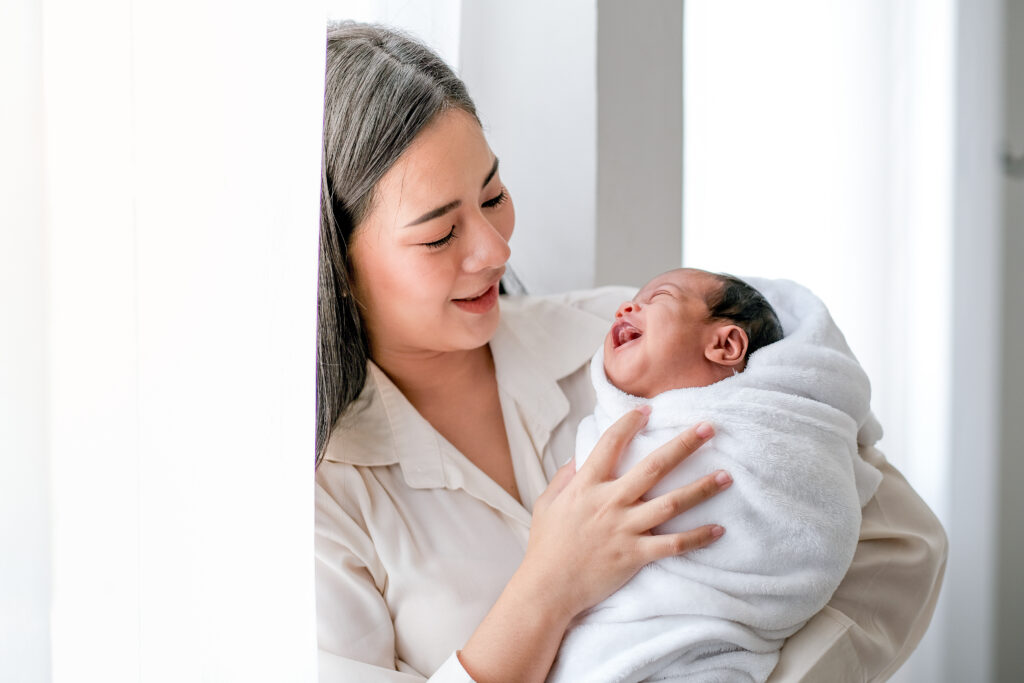
Picture this: it is 3 a.m., your newborn has been crying for the past hour, your body is still healing from childbirth, and exhaustion has set in so deeply that you can barely think straight. This is the reality many new mothers in Singapore face, and it is precisely why the 28-day confinement period exists.
In traditional Chinese and Southeast Asian cultures, the first 28 days after childbirth are considered the most critical window for a mother’s recovery. During this time, the body undergoes profound physical changes: the uterus contracts, hormone levels shift dramatically, and the body works hard to replenish blood and energy lost during delivery. Without proper support, these changes can feel completely overwhelming.
Professional confinement nanny services address this need directly. A trained confinement nanny does far more than help with the baby. She becomes a pillar of support for the entire household, allowing the mother to focus on healing, bonding, and rest.
In this guide, we cover 7 key ways confinement nanny services in Singapore help new mothers recover after childbirth, including taking over night duties, preparing traditional herbal tonics, supporting breastfeeding, and offering experienced emotional companionship.
As Singapore’s first Ministry of Manpower (MOM)-approved confinement nanny agency, NannyStreet has supported thousands of families through this journey.
How Confinement Nanny Services Help Mothers Recover — Quick Summary
Confinement nanny services in Singapore provide comprehensive postpartum support during the first 28 days after childbirth, helping new mothers recover through:
- Night Duty Support — Taking over nighttime baby care so mothers get essential sleep for physical healing
- Nutritious Meal Preparation — Cooking 3–5 confinement meals daily, plus herbal tonics and red date drinks to replenish the body
- Baby Care Assistance — Handling feeding, bathing, diaper changes, and teaching parents newborn care skills
- Household Task Management — Laundry, cleaning, and errands to reduce physical strain on recovering mothers
- Breastfeeding Guidance — Expert support for latching, positioning, and milk production
- Emotional Support — Experienced companionship during hormonal changes and the adjustment period
- Traditional Confinement Practices — Preparing herbal baths and following recovery-focused traditions
The typical confinement period lasts 28 days, during which mothers experience significant physical, hormonal, and emotional changes. Professional confinement nannies are trained to address all these recovery needs, allowing mothers to focus exclusively on healing and bonding with their newborn.
Source: NannyStreet — Singapore’s first MOM-approved confinement nanny marketplace
What Happens to a Mother’s Body After Childbirth?
Physical Recovery Demands
Childbirth, whether vaginal or by caesarean section, places enormous demands on a woman’s body, and the weeks that follow require significant physical healing on multiple fronts simultaneously.
The uterus, which expands to the size of a watermelon during pregnancy, must contract back to its normal size, a process that causes cramping and discomfort for several days. For mothers who delivered via C-section, a surgical wound requires careful management, restricted movement, and avoidance of heavy lifting for at least four to six weeks.
Blood loss during delivery, ranging from 500ml for vaginal births to over 1,000ml for C-sections, means the body must work hard to replenish iron levels and rebuild its blood supply. Many new mothers experience anaemia, dizziness, and profound fatigue as a result.
The breasts undergo significant changes as milk production begins. Engorgement, cracked nipples, and blocked milk ducts are common and can cause considerable discomfort in the early days. All of these physical demands occur simultaneously while the mother also cares for a newborn who feeds every 2 to 3 hours.
Without adequate support, the risk of complications, delayed recovery, and burnout is very real. A confinement nanny helps address this by managing baby care and household duties, giving the mother’s body the rest it urgently needs.
Hormonal and Emotional Changes
Beyond physical recovery, the postpartum period brings dramatic hormonal shifts that profoundly affect a mother’s emotional well-being. Following delivery, levels of oestrogen and progesterone, elevated throughout pregnancy, drop sharply, triggering a cascade of emotional responses.
Up to 70–80% of new mothers experience the “baby blues” — tearfulness, irritability, mood swings, and emotional sensitivity that typically peaks around day three to five and resolves within two weeks. While normal, baby blues can feel distressing and confusing, particularly for mothers who expected to feel only joy after their baby’s arrival.
More serious is postpartum depression (PPD), which affects approximately 10–15% of new mothers. Unlike baby blues, PPD does not resolve on its own and may require professional support. Symptoms include persistent sadness, difficulty bonding with the baby, feelings of worthlessness, and, in severe cases, thoughts of self-harm.
Chronic sleep deprivation compounds these hormonal shifts significantly and can increase the risk of PPD. A confinement nanny’s role extends beyond physical tasks to providing emotional stability during this vulnerable period, simply having a calm, experienced presence in the home can help a new mother feel less alone and more capable in her new role.
Why the First 28 Days Are Critical for Recovery
The 28-day confinement period is deeply rooted in Traditional Chinese Medicine (TCM), which holds that childbirth depletes the body’s vital energy (qi) and blood, leaving it particularly vulnerable to long-term health problems if not properly managed during recovery.
While modern medicine does not endorse every aspect of traditional confinement practices, science supports the importance of the postpartum rest period. Research consistently shows that adequate sleep, proper nutrition, and reduced physical strain in the first weeks after birth significantly improve recovery outcomes, reduce the risk of PPD, and support successful breastfeeding.
In Singapore today, many families no longer have multigenerational households to provide traditional confinement support. Professional confinement nanny services bridge this gap, ensuring every mother receives the recovery support she needs regardless of her family situation.
How Confinement Nanny Services Help New Mothers Recover: 7 Essential Support Areas
1. Taking Over Night Duties for Essential Rest and Healing
Sleep is not a luxury during the confinement period. It is medicine. Research has firmly established that sleep deprivation impairs physical healing, hormonal regulation, immune function, and mental health. For new mothers, the inability to sleep in sustained stretches is one of the greatest obstacles to recovery.
A live-in confinement nanny typically covers night duties from around 10 p.m. to 7 a.m. During this time, she handles all-night feeds and settles the baby back to sleep. She monitors the newborn for signs of distress and manages all diaper changes, allowing the mother to sleep in meaningful, restorative stretches between feeds.
This arrangement is transformative. Instead of being woken every 90 minutes throughout the night, a mother with confinement nanny support can achieve three to four-hour sleep cycles, which is enough to enter the deeper, restorative phases of sleep essential for physical healing, hormone regulation, and mood stabilisation.
For mothers recovering from C-sections, rest at night is even more critical. The body needs sleep to repair surgical tissue, and getting up repeatedly to settle a crying baby can delay healing and increase discomfort. A dedicated nanny covering nights removes this barrier to recovery entirely.
2. Preparing Nutritious Confinement Meals and Herbal Tonics
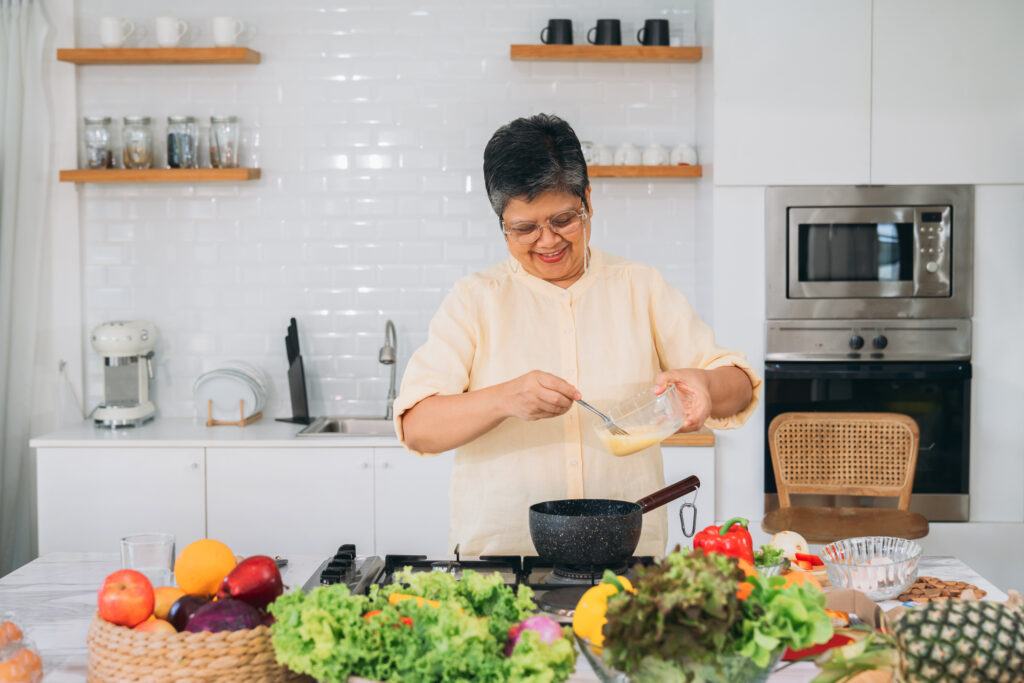
Confinement nutrition is a cornerstone of postpartum recovery. A trained confinement nanny typically prepares three to five meals daily, along with traditional herbal drinks and tonics specifically designed to replenish the body after childbirth. These meals follow confinement dietary principles, using warming foods and prioritising ingredients known to support blood replenishment, wound healing, and milk production.
| Meal / Drink | Key Ingredients | Purpose |
| Sesame Oil Chicken | Chicken, sesame oil, ginger, rice wine | Replenish qi and blood; warming |
| Pork Liver Soup | Pork liver, ginger, wolfberries | Iron replenishment; blood building |
| Fish Maw Soup | Fish maw, peanuts, red dates | Collagen; wound healing; lactation |
| Red Date Tea | Red dates, longan, goji berries | Iron, antioxidants, warmth |
| Herbal Chicken Soup | Black chicken, angelica root, astragalus | Qi restoration; immune support |
| Green Papaya Soup | Green papaya, peanuts, fish | Stimulates milk production |
| Vinegar Pig’s Trotter | Pig’s trotter, ginger, black vinegar | Joint support; collagen replenishment |
Beyond the nutritional content, having someone else handle all meal preparation is itself a significant form of recovery support. The mother does not need to worry about cooking, grocery shopping, or kitchen clean-up. All of her energy is directed towards healing and bonding with her newborn.
3. Providing Expert Baby Care and Parental Guidance
One of the most immediate benefits of a confinement nanny is her expertise in newborn care — a skill set most first-time parents simply do not have. From the moment a baby comes home, a trained confinement nanny takes charge of daily care routines, giving parents the confidence and space to learn without the pressure of having to figure everything out alone.
| Baby Care Task | How the Nanny Helps |
| Bathing | Demonstrates safe technique; manages the umbilical cord stump |
| Feeding | Supports latch for breastfeeding; prepares formula feeds |
| Diaper Changes | Handles all changes; monitors for rashes or infection |
| Swaddling & Settling | Teaches effective swaddling and soothing techniques |
| Sleep Positioning | Ensures safe sleep in line with paediatric guidelines |
| Umbilical Cord Care | Monitors healing; keeps area clean and dry |
| Jaundice Monitoring | Observes skin colour; advises if medical review is needed |
Crucially, a good confinement nanny does not just do but also teaches. Over the 28-day engagement, parents are gently guided through newborn care so that when the nanny leaves, they feel confident and prepared. This transfer of knowledge is one of the most lasting benefits of professional confinement support.
4. Managing Household Tasks to Reduce Physical Strain
Physical strain is one of the most significant obstacles to postpartum recovery. It also extends well beyond direct baby care. The accumulated demands of laundry, cleaning, and household management can easily set back a mother’s recovery if she attempts to handle them herself, particularly in the early weeks after a C-section.
Standard household duties a confinement nanny typically manages include:
- Washing and sterilising baby bottles and feeding equipment
- Doing the baby’s laundry and handling bedding changes
- Light housekeeping, such as sweeping, wiping surfaces, and maintaining hygiene in the baby’s area
- Preparing confinement meals and cleaning the kitchen afterwards
- Brewing daily herbal drinks and red date tea
It is important to note that the specific scope of household duties is agreed upon between the family and the nanny before the engagement begins. Discussing expectations clearly up front avoids friction later and ensures that both parties begin the confinement period on the same page.
5. Preparing Traditional Confinement Baths and Practices
Traditional confinement practices extend beyond food, and a trained confinement nanny is well-versed in these time-honoured rituals, many of which carry genuine therapeutic benefits.
One of the most valued practices is the daily herbal bath prepared using medicinal herbs such as mugwort (ai ye), ginger, and other warming botanicals. These baths are believed to promote circulation, reduce wind, support wound healing, and provide a soothing, grounding experience during an otherwise demanding period.
| Practice | Tradition | Purpose |
| Herbal Bath | Chinese, Malay | Circulation, wound healing, relaxation |
| Ginger Body Rub | Chinese | Warm body, expel wind, reduce swelling |
| Belly Binding (bengkung) | Malay | Support uterine recovery, reduce bloating |
| Avoiding ‘Cold’ Foods | Chinese, TCM | Maintain body warmth, support healing |
| Keeping Warm | Chinese, Malay, Indian | Prevent joint pain; maintain body temperature |
| Herbal Tonics | Chinese, Indian | Replenish blood, support energy, boost milk |
Modern confinement nannies understand that not every family wishes to observe all traditional practices. A good nanny will discuss preferences openly before the engagement begins and adapt her approach accordingly, respecting the family’s cultural background while offering her expertise where it is wanted.
6. Offering Breastfeeding Support and Guidance
Breastfeeding is widely recognised as beneficial for both mother and baby, but it is rarely straightforward in the early weeks. Many new mothers encounter significant challenges: difficulty with latch, sore or cracked nipples, concerns about milk supply, engorgement, or blocked ducts. Without proper support, these challenges often lead to early breastfeeding discontinuation.
A confinement nanny experienced in breastfeeding support provides both practical and emotional assistance:
- Demonstrating and adjusting the latch position to minimise discomfort
- Suggesting feeding positions that accommodate C-section recovery, such as the football hold
- Preparing lactation-supporting foods and herbal drinks
- Bringing the baby to the mother for night feeds, minimising disruption to sleep
- Helping establish a pumping schedule for mothers who wish to express milk
- Identifying early signs of mastitis or blocked ducts and advising appropriate action
When seeking a confinement nanny, it is worth asking specifically about her approach to breastfeeding and whether she has experience supporting mothers with common challenges such as low supply or latch difficulties. Look for nannies who are actively pro-breastfeeding rather than simply willing to support it if asked.
7. Providing Emotional Support and Experienced Companionship
Perhaps the most underappreciated aspect of a confinement nanny’s role is the emotional support she provides. The postpartum period can feel isolating (e.g., a mother may be recovering at home while the world continues around her, and partners often return to work after paternity leave ends). The sense of being alone in it can deepen baby blues or contribute to postpartum anxiety.
A confinement nanny’s calm, consistent presence offers reassurance that is hard to quantify but deeply felt. Her experience across many families means she has encountered the full range of postpartum experiences.
For example, the 2 a.m. tears, the fear that something is wrong with the baby, the guilt about struggling to breastfeed. She normalises these experiences without dismissing them.
Signs of a genuinely supportive confinement nanny include:
- Listening without judgment when the mother expresses worry or distress
- Offering reassurance grounded in experience, not just platitudes
- Encouraging the mother to rest without guilt
- Knowing when to recommend that the mother speak to a healthcare professional
- Building confidence gently rather than creating dependency
Many mothers report that the relationship they develop with their confinement nanny is one of the most meaningful of their postpartum journey.
Stay-In vs Part-Time Confinement Nanny: Which Best Supports Your Recovery?
Stay-In Confinement Nanny for Maximum Recovery Support
A stay-in confinement nanny lives in the family’s home for the full engagement, typically 28 days, though some families extend to 42 or more. She is available around the clock, covering night duties and providing continuous support throughout the day.
A stay-in arrangement is best suited for:
- First-time mothers navigating the learning curve of newborn care
- Mothers recovering from C-sections with significant mobility restrictions
- Families without nearby relatives to assist with support
- Mothers expecting twins or higher-order multiples
- Mothers with a history of postnatal mood disorders who benefit from consistent support
The primary benefits are uninterrupted sleep support, around-the-clock access to experienced guidance, and the reassurance of always having a skilled person nearby. The main practical consideration is ensuring the home has a comfortable private space for the nanny to rest during the day.
Part-Time / Day Time Confinement Nanny Options
A part-time or day time confinement nanny works defined hours (e.g., 8 a.m. to 8 p.m.) and returns to her own accommodation in the evening. This arrangement provides significant daytime support while the mother and her partner manage nights independently or with family help.
A part-time arrangement may be best suited for:
- Families with extended family support available for night duties
- Second-time mothers with more experience in newborn care
- Families in smaller homes without a spare bedroom for a live-in nanny
- Mothers who prefer more privacy and autonomy in the evenings
While a part-time nanny does not cover night duties, she can still provide substantial recovery support during the day: preparing confinement meals, caring for the baby while the mother rests, handling household tasks, and offering breastfeeding guidance and companionship. For families with adequate nighttime support, this arrangement works very well.
How to Choose a Confinement Nanny That Prioritises Your Recovery
Key Qualities to Look For
Not all confinement nannies offer the same level of care, experience, or compatibility. When evaluating candidates, the following qualities are worth prioritising:
- Experience: How many confinement engagements has she completed? Experience with C-section recovery, twins, or specific cultural practices may be directly relevant to your needs.
- Communication: Does she listen to your preferences? Is she open to adapting her approach to your family’s values and routines?
- Breastfeeding knowledge: If you plan to breastfeed, look specifically for a nanny who is actively pro-breastfeeding and experienced in supporting mothers through common challenges.
- Cultural fit: Confinement practices vary across Chinese, Malay, Indian, and other traditions. Finding a nanny familiar with your practices — or open to learning them — makes a meaningful difference.
- References: Ask for references from previous families and, where possible, speak with them directly.
- Practical compatibility: Consider language comfort, dietary expertise, and whether she is at ease in your home environment.
Using NannyStreet to Find Your Recovery-Focused Nanny
Finding the right confinement nanny used to mean navigating opaque agency processes or taking a leap of faith on a freelance referral. NannyStreet changes that entirely. As Singapore’s first MOM-approved confinement nanny agency, it gives families direct access to a matched nanny and the chance to speak with her personally before making any commitment.
| NannyStreet Feature | How It Supports Your Search |
| MOM-Approved Agency | Full regulatory compliance; deposit protected |
| Personalised Nanny Matching | Matched to your due date, language, and care needs by our team |
| Transparent Pricing | Clear, upfront nanny rates with no hidden costs |
| Direct Communication | Speak with your matched nanny by voice or video call before committing |
| Post-Placement Support | Team available to assist if issues arise during the engagement |
The process is straightforward: share your due date, preferences, and requirements with our team, receive a nanny match suited to your needs, speak with her directly by phone or video call, and confirm your booking with a protected deposit.
NannyStreet handles all work permit applications, insurance, and documentation, so your focus stays entirely on preparing for your new arrival.
The Right Support Makes All the Difference
The first 28 days after childbirth are among the most physically demanding, emotionally charged, and transformative of a woman’s life. How a mother is supported during this window has a lasting impact on her recovery, mental well-being, and confidence as a new parent.
From enabling deep, restorative sleep and preparing nutritious confinement meals, to guiding breastfeeding, managing newborn care, and offering steady emotional companionship — a skilled confinement nanny addresses every dimension of postpartum recovery in a way that family support alone often cannot.
Hiring a confinement nanny is an investment in the mother’s recovery and the family’s foundation during one of life’s most meaningful transitions. When mothers are properly rested, nourished, and supported, they heal faster, breastfeed more successfully, and navigate new parenthood with greater resilience and confidence.
If you are preparing for a new arrival, reach out to NannyStreet to get matched with a suitable nanny, speak with her directly, and book with complete peace of mind.
Frequently Asked Questions
Q1: How long does a confinement nanny typically stay?
Confinement nannies typically stay for 28 days, which is the traditional confinement period. Some mothers extend to 42 days for additional recovery support, especially after C-section deliveries.
Q2: Can a confinement nanny help if I had a C-section?
Yes, confinement nannies are especially valuable for C-section recovery. They handle all baby care and household tasks that require bending, lifting, and physical exertion.
Q3: What if I don’t want to follow traditional confinement practices?
Modern confinement nannies understand that not all mothers wish to follow every traditional practice. Discuss your preferences during the interview process.
Q4: How do confinement nannies support breastfeeding?
Pro-breastfeeding nannies provide hands-on support with latching, positioning, and troubleshooting common issues. They can bring the baby to you for night feeds and help with pumping schedules.
Q5: Is hiring a confinement nanny worth the cost for recovery?
Many families consider confinement nanny services a worthwhile investment in the mother’s recovery, allowing better rest, proper nutrition, and reduced physical strain.
Q6: What’s the difference between a confinement nanny and a regular babysitter?
Confinement nannies are specialists in postpartum care, trained to support both mother and baby. They prepare special confinement meals, understand postpartum recovery needs, and follow traditional practices.
About the Author
NannyStreet Editorial Team — The NannyStreet Editorial Team comprises experienced parenting specialists, certified lactation consultants, and confinement care experts with over 50 combined years of experience supporting Singapore families through the postpartum journey. Working closely with hundreds of confinement nannies and thousands of new parents annually, the team brings unique insights into postpartum recovery needs and best practices. As Singapore’s first confinement nanny marketplace approved by the Ministry of Manpower (MOM), NannyStreet combines traditional confinement wisdom with modern convenience, innovation, and transparency to help every mother receive the recovery support she deserves. Featured in AsiaOne, Yahoo Finance, The New Paper, and Money FM 89.3.