
When you’re a first-time parent, it’s natural to feel excited and nervous as the due date approaches.
Your confinement nanny will be your partner in the first weeks after birth—handling newborn care, supporting feeding and daily routines, and guiding you through the confinement period so you can rest, heal, and bond with your baby. But before she moves in, make sure to set up your home to work for you, your baby, and your nanny.
Here’s a comprehensive guide to preparing a home before the nanny arrives so that you can welcome your new parent’s life with peace of mind.
Key Takeaways
- Prepare the home in advance before the confinement nanny arrives. It helps to prepare it as early as before the baby’s arrival.
- The mother, the newborn, and the confinement nanny each have their own needs. Home preparation should account for a nurturing environment for these three key individuals.
- Keep essentials like baby diapers, confinement herbs, and confinement food ready.
- Make room for storage space, routines, and communication.
- A calm, clean, and organised home supports healing and helps the baby thrive.
What to Prepare for Mum (Recovery Setup)

During the postpartum period, mum’s focus should be on rest, recovery, and nourishment. A well-prepared living space helps reduce stress and supports her health.
- Prioritise bed rest: Arrange the room so that every essential is within easy reach. Water, snacks, a phone charger, and baby essentials should be arranged so that mum wouldn’t need to get up too often.
- Comfort first: Choose a comfortable bed, soft pillows, and prepare breathable, clean clothes. Mum will be spending long hours resting and breastfeeding, so make sure the setup feels cosy.
- Emotional support matters: Stay connected with loved ones and close friends. Having someone to talk to during the early days of motherhood can make all the difference.
- Keep the room for confinement near the bathroom. Mum will be using the bathroom a lot. This is expected during her recovery. So, her bed should ideally be placed near the toilet to minimise effort.
- Keep pathways clear so everyone can move safely while carrying the baby. Stumbling items can be hazardous, especially when rushing the newborn from the crib to the changing station.
If Mum has been practicing prenatal yoga, meditation, or breathing exercises, she may continue these with the professional advice of a doctor. These postpartum recovery exercises help with recovery and promote better sleep.
Hence, mum’s space should allow her to perform these exercises optimally: lots of room, good ventilation, and peace.
What to Prepare for Baby (Safe & Simple)

Mum’s small baby will need a calm, safe, and hygienic setup to keep the newborn comfortable and away from harmful germs. Parents can prepare the home for the newborn by providing:
- Baby cot and changing station: Place the baby cot near the bed so the baby is always within arm’s reach for night feeds. Set up a changing station with diapers, wipes, baby clothes, and creams.
- Baby essentials: Prepare bottles, formula (if needed), pacifiers, a baby bathtub, towels, and a thermometer.
- Baby laundry: Have a separate basket and gentle detergent for baby laundry to protect the newborn’s sensitive skin.
- Stock up on diapers: Keep a good supply of baby diapers. Newborns will be going through these quite fast.
- Provide more storage. Diapers, baby formula, and hygienic items will all occupy valuable space.
- Nurturing environment: Avoid placing the cot near strong scents, direct light, or noisy appliances.
- Natural lighting: Ensure the baby’s room is located in a room with a window that receives ample sunlight, providing a safe and well-lit environment during the day.
- Ensure proper ventilation. This should prevent mould and odour build-up, which can make the baby’s area uncomfortable.
- Keep pathways clear. Between the baby’s crib and the changing station, there should be no items that can trip or snag.
This setup will keep the baby’s needs within easy, accessible reach. This allows the confinement nanny to perform her duties more optimally and efficiently.
Also, ensure you’ve gathered all baby essentials. A quick checklist:
- Baby cot, mattress, and bedding
- Baby bathtub and mild soap
- Baby clothes (a mix of short- and long-sleeved)
- Baby diapers, wipes, and creams
- Feeding bottles, steriliser, and burp cloths
- Thermometer and baby nail clipper
- Towels and muslin cloths
- Storage baskets for small items
Organise everything neatly so the nanny can find things easily when the baby arrives. The nanny should know where these are, so perhaps labelling the cabinets may also be needed.
What to Prepare for the Nanny (Comfort & Tools)
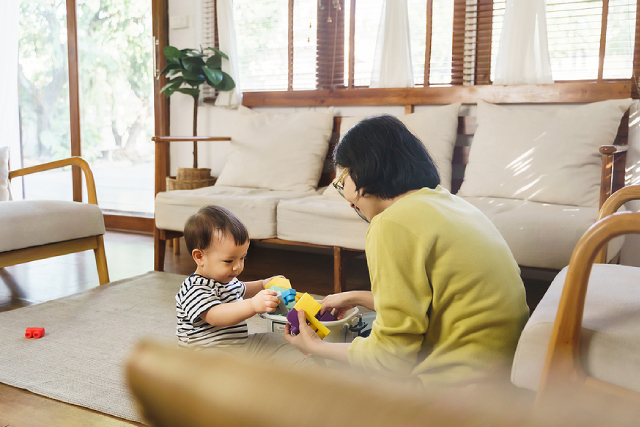
The nanny will spend weeks or months living with the family. They’ll help the parents adjust to caring for the newborn.
Making the nanny feel comfortable helps her do her job well, giving the newborn the best nurturing care possible. As such, parents should make sure of the following accommodations:
- Sleeping arrangements: Prepare a clean, private space for the nanny. It could be a guest room or a comfortable area close to the mother and baby. Also, provide her with a proper, comfortable mattress. Though she’ll only be a momentary resident, she’ll need a functional mattress to sleep on in order to perform her nursing duties properly.
- Storage space: Provide enough storage space for her clothes, personal items, and baby supplies. Ample storage space can help organise personal belongings and make her feel at home.
- Make sure she has access to basic amenities like Wi-Fi, a fan, or charging points. The nanny still needs to connect with her family and the world. Providing her that access is critical to fostering a welcoming home.
- Clear the path. There should be no items that can trip the nanny in her designated room. Not only is this dangerous to nannies, given their experienced age, but it may also harm the baby if the nanny will be carrying them a lot.
- House rules: Clarify house rules early. For example, meal times, curfews, or quiet hours. This is especially important, as the nanny is likely accustomed to previous house rules.
- Support from family members: Let other relatives know her role, so there’s no confusion over duties or boundaries.
When the confinement nanny arrives, give her a walkthrough of the home. Show her where things are kept, and discuss how to handle domestic chores and household routines.
Pro tip: Give her a housewarming gesture. This could be a small gift or a little celebration to make her feel a part of the family. This should alleviate any homesickness and stress. Many families prefer to give cash (in addition to her salary).
A happy nanny means better support for the parents and the baby.
House Rules & Daily Routines
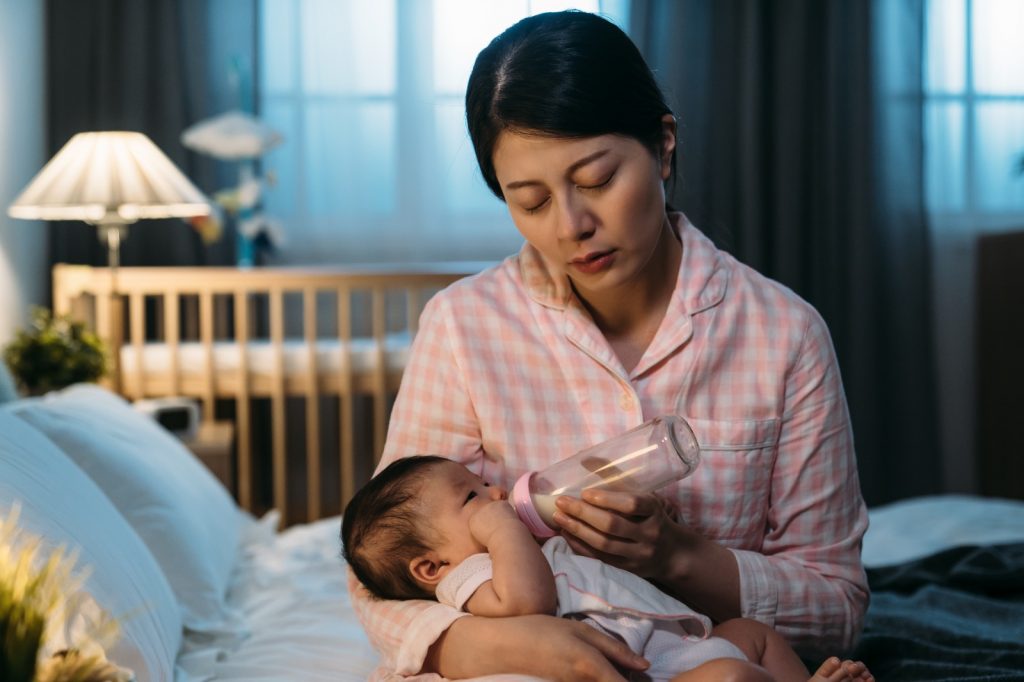
When a baby arrives, everyone’s routine changes. Discuss in advance how tasks will be shared.
- The confinement nanny can take over baby care, meal prep, and laundry, while the family members handle errands or fresh produce shopping.
- Establish quiet hours so both mum and the baby can rest.
- Keep a daily to-do list with feeding times, diaper changes, and meal schedules.
There are also some key hygiene routines to follow. Maintaining a clean home keeps dirst, dust, and germs away from the baby’s developing immune system. These critical routine items include:
- Strategically dust areas while they’re not in use. Dust can cause itching and sneezing, which can be annoying to adults, but can be detrimental to babies.
- Deep-clean the living space, especially areas for feeding and the baby’s sleeping corner. But do this when these areas are not in use. The cleaning formula can be harmful if inhaled.
- Sanitise bottles, breast pumps, and baby bathtubs regularly.
- Wash laundry frequently. Babies are sensitive to dust, debris, and germs. While the gunk we have on our clothes is imperceptible to us, they may be harmful for the baby.
- Separate baby clothes and towels from the rest of the family’s items. For the same reason that babies are very sensitive and prone to sickness, you’d want to wash baby clothes and towels from the rest of the family. This is also so that milder laundry bleaches may be used on the baby’s clothes.
By setting a routine, you’ll maintain balance during this busy but beautiful stage of parenthood. It also makes the pile of chores more manageable.
Providing a Workflow for the Confinement Nanny
Before the nanny arrives, a clear workflow for her must already be drafted up.
A clear plan helps the nanny adjust quickly and take better care of you and the baby. Routine creates consistency and improves her nurturing ability.
Meal Plans

Discuss dietary preferences and confinement food choices early. Include items like chicken essence, herbal soups, and fresh produce.
Ask the nanny how she plans to incorporate confinement herbs into meals. Better yet, if you’re familiar with the procedure, show the nanny how you’d do it. A nanny’s accustomed meal prep may not necessarily accommodate the family’s unique dietary needs (e.g., the paediatrician recommends more Vitamin C and iron for mum).
You’d also want to stock up on the necessary ingredients, such as fresh produce, chicken essence, and confinement herbs. Discuss dietary preferences with the nanny early so she knows how to plan mum’s confinement food.
This will make it easier to track nutrition and ensure that every dish supports postpartum recovery.
Baby Care-Centred Schedule
Work with the nanny to create a flexible routine that includes:
- Feeding times and diaper changes
- Baby’s nap times
- Bathing and newborn care routines
- Schedule quiet time for mummy-to-be
Having a structure helps everyone stay organised and prevents stress during those sleepless nights.
Emergency Procedures
Before the nanny starts, share contact numbers for:
- Your healthcare provider
- Nearest hospital
- Emergency services
- Family members or close friends who can help
Keep these critical documents on a visible board or inside a folder in the living space. That way, parents minimise frantic moments and keep their nanny calm and composed.
Get a Confinement Nanny Today!

Finding the right nanny can make a world of difference during your confinement period. At NannyStreet, we connect parents in Singapore with experienced confinement nannies who specialise in newborn care and postpartum recovery.
Our vetted nannies understand how to attend to the baby’s needs and the mother’s healing journey, offering practical, dietary, and emotional support.
With our guidance, you can focus on your recovery and enjoy these precious first weeks of your baby’s arrival. During this beautiful time in your life, peace of mind has never been more crucial.
Get in touch with us today and inquire about our confinement nanny service!
Frequently Asked Questions
1. When Should I Start Preparing My Confinement Home?
Start planning about a month before your due date. This gives you time to organise your living space, buy baby essentials, and coordinate with your confinement agency.
2. What If My Home Is Small?
Even in smaller homes, you can create functional zones, such as a feeding corner, baby cot area, and changing station. Good organisation is key.
3. Can My Family Members Stay With Me During Confinement?
Yes, but it’s best to clarify house rules early so your nanny and family members can work together smoothly.
4. How Long Should The Confinement Nanny Stay?
Most confinement nannies stay for 28 days, but you can extend this depending on your postpartum recovery and comfort level.
5. What Should I Prepare Before The Nanny Arrives?
Make sure her room, storage space, and basic supplies are ready. Prepare confinement herbs, fresh produce, and meals for the first few days.